Jun 6, 2025
Debunking the myths about AI cameras
 Anuj Patel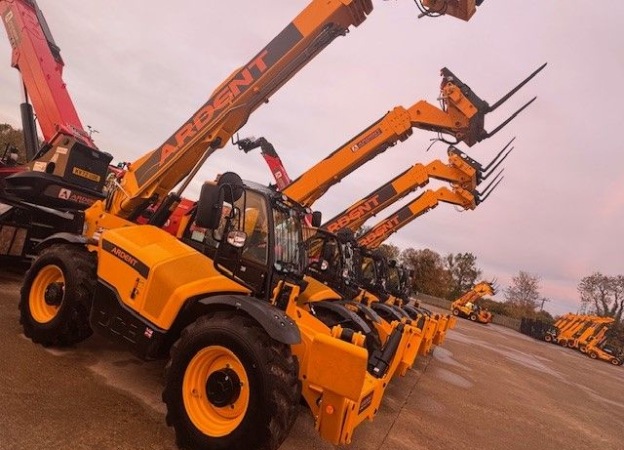
Telehandlers provide much needed versatility on site, and when you consider the addition of telehandler attachments to your telehandler hire, there is so much that you can do with a telehandler. Telehandler forks play a crucial role in lifting operations across multiple industries and sites. Using the wrong telehandler forks can lead to inefficiency, potential safety issues, and can cause damage to equipment.
At Ardent Hire, our telehandler hire service encompasses helping you to find the correct telehandler forks and models for your needs. We’ll also advise on additional telehandler attachments to ensure you maximise the use of this already versatile machine on site.
There are a few reasons why choosing the right telehandler forks is important for your project. With the support of an expert team at Ardent, you can ensure that you meet the needs related to each.
It’s important that every telehandler on site meets strict regulatory compliance for safe operational use. Our team fully inspects every telehandler and set of telehandler forks between hires, maintaining high safety standards and meeting compliance and LOLER regulations.
Maintaining key levels of efficiency is important for the ROI of each site and project. Choosing the correct telehandler forks and matching them with the right model of telehandler helps to achieve this. The right fork length speeds up material handling solutions without compromising safety standards
The appropriate telehandler forks for different tasks help you to prevent damage to materials and equipment on site. For example, utilising fork extensions to move bulky items securely at height, or lumber forks to move timber.
Understanding the different types of telehandler forks will help you to match forks with the tasks at hand. Our expert team is here to offer advice and guidance to ensure you reach the correct decision.
The standard telehandler forks are commonly used to lift and manoeuvre pallets and materials on general construction sites, warehouse operations, agricultural settings, and logistics.
If you require a thicker and more robust telehandler fork, this is the one. Ideal for lifting heavy and cumbersome loads, including bricks, stone, blocks, and other heavy construction materials.
Thinner and wider than traditional forks, these are great at moving bundled materials such as timber, pipes, and cubed goods without causing damage.
As experts in telehandler hire, the Ardent team are here to help you select the right telehandler hire, including model and forks:
Load capacity – we’ll help you choose the right forks based on the capacity, the intended reach and height. Understanding the load centre (the distance between the vertical face of the forks and the load’s centre of gravity) is vital for safe operation.
Fork length and width – the fork length and width must also match the loads, to ensure stability and efficiency.
The correct mounting class – there are different classes of forks, which must match the telehandler’s carriage.
Working with Ardent Hire makes sense. We’ll help you choose the right telehandler for the task at hand:
Expertise and a modern fleet - our modern fleet of telehandlers is constantly monitored and upgraded to ensure that you have the best options available. They are equipped with the correct telehandler forks for any application.
Safety and reliability – all our telehandlers and attachments are regularly inspected between hires, tested, maintained, and certified to ensure the highest safety standards.
Seamless customer service – we’re with you from day one, helping you to plan, acquire the correct telehandlers, deliver within your desired schedule, and repair and replace in the worst-case scenario, minimising downtime.
Selecting the right telehandler forks is a priority to ensure high levels of productivity and safety are maintained on site. Explore our telehandler hire services today to find the best solution to your needs. Speak to an Ardent expert and we’ll be happy to help you find the right telehandler. Call us on 03333 202 555 or email hire@ardenthire.com and we’ll arrange a consultation to talk through the specifics of your project.
They may look similar, but telehandler forks are generally longer and thicker, designed to take the stress of dynamic loads at height. Forklift forks are designed for vertical lifts from stable surfaces.
There are different lifting capabilities depending on the specific model of telehandler and its forks, ranging from 2,500kg to over 5,000kg.
Each set of telehandler forks is designed to match the specific carriage class of a model. Our experts will match your needs with the right telehandler forks and any telehandler attachments.
Telehandler forks should be visually inspected by the operator on site, every day, prior to operation. We’ll conduct thorough inspection and maintenance in between hires.
Latest Ardent Hire news
Anuj Patel
Anuj Patel
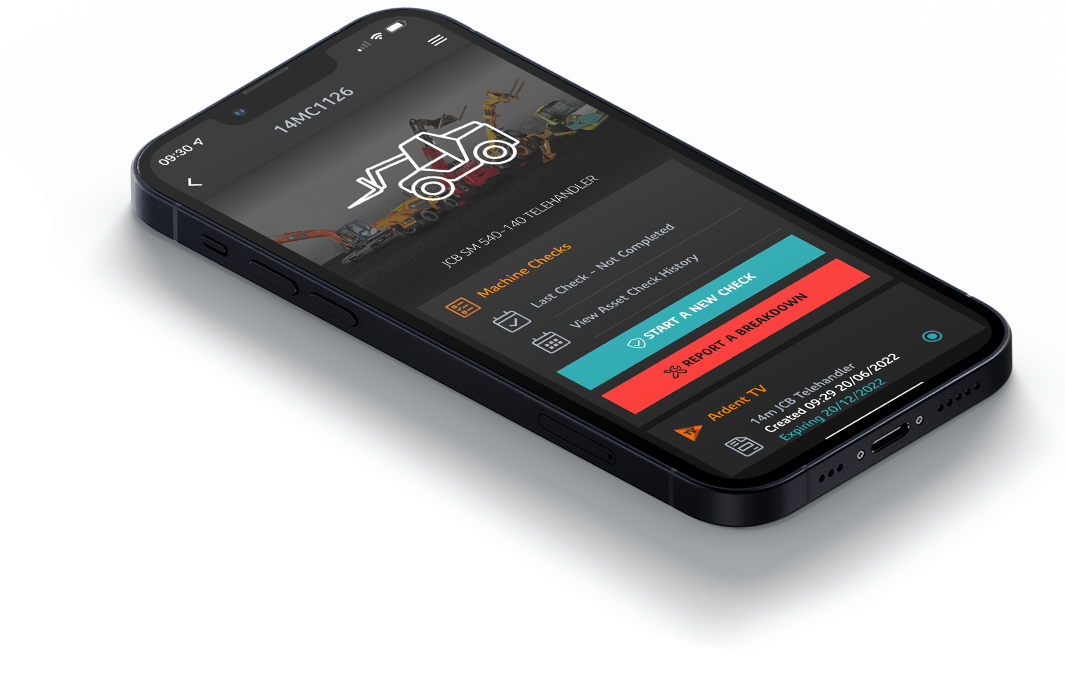
Anuj Patel Complete daily checks, access your LOLER
certificates, report breakdowns/defects, track your
deliveries & collections plus much more.

Get a link to download the app