
Jun 6, 2025
Debunking the myths about AI cameras
 Anuj Patel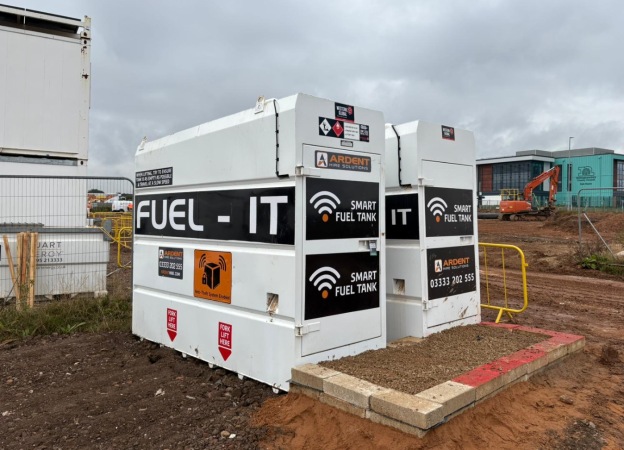
Everyone wants lower emissions. No one wants extra admin, slow refuels or kit standing idle because a tank ran dry. The fastest way to move the needle is to pair a smart fuel setup with a cleaner-burning fuel. Fuel-IT gives you live visibility of every litre; HVO improves local air quality at the exhaust. Together, they deliver practical reductions you can see in the numbers - without changing how your teams work.
HVO can reduce particulate matter and visible smoke at the tailpipe and often helps with odour and cold-start performance. Tailpipe greenhouse gases, however, are essentially unchanged versus conventional diesel because CO₂ is a product of combustion. The greenhouse gas benefit of HVO is delivered in the well-to-wheel lifecycle - how the fuel is produced, transported and certified - not at the point of use. In short: cleaner local emissions from the machine; potential carbon reductions in the supply chain when you buy certified product.
Switching fuel type is only half the story. If you can't measure what's being used, where and by whom, you'll struggle to prove impact or spot waste. Fuel-IT adds that missing control. It shows real-time tank levels, usage by dispenser or vehicle, and alerts when something unexpected happens. With HVO in the tank, you improve local air quality on day one; with Fuel-IT, you prove what you used, avoid waste, and document the lifecycle benefits accurately.
HVO is a drop-in replacement for modern diesel plant. The gains your team will notice are straightforward: cleaner burn, less visible smoke, smoother winter starts. For credible lifecycle reporting, focus on sourcing and handling: use certified supply, keep tanks clean and dry, label clearly to avoid cross-contamination, and record deliveries and issues in one place. Good housekeeping protects engines and the integrity of your carbon numbers.
Fewer interruptions. Fewer "who has the bowser?" moments. Cleaner-smelling exhaust. Refuelling that simply works. Supervisors get the proof they need for lifecycle reporting without spreadsheets, and operators get less hassle and more time on task.
Fuel-IT plus HVO is a practical, low-friction way to tighten control, improve local air quality and report lifecycle carbon performance honestly. You gain visibility, you gain proof, and you lose the noise that used to make fuel management everyone's least favourite topic.
Latest Ardent Hire news
Anuj Patel
Anuj Patel
Anuj Patel Complete daily checks, access your LOLER
certificates, report breakdowns/defects, track your
deliveries & collections plus much more.

Get a link to download the app