
First-time Fix, More Of The Time: A Practical Service Playbook That Slashes Downtime
Downtime isn't just lost hours; it's broken sequences, missed lifts and a team that's suddenly firefighting. The surest way to shrink it is to improve first-time fix rates. This post lays out a practical playbook plant hire companies can run with their supervisors and engineers to diagnose faster, arrive smarter and close jobs in one visit far more often.
Why first-time fix matter
Every extra visit adds travel, parts handling and lost opportunities. Fix it first time and you save two things you can never buy back: momentum and trust. Operators see problems disappear quickly. Supervisors can plan with confidence. Everyone gets a calmer day.
Step 1: triage with intent
- Capture the symptoms in the operator's words - what happened, when, and what changed just before.
- Ask for a quick photo or short clip where safe to identify the issue faster.
- Log recent alerts or trends - check machine telematics and machine fault codes to ensure there are no further surprises when you get to site.
Step 2: send the right person, with the right kit
- Match skill to fault. Know when to use OEM engineers or inhouse engineers. Sometimes the issue requires an OEM trained engineer that has tools not available to your teams.
- Build model-specific go-bags: common sensors, fuses, o-rings, fluids, test gear.
- Check parts availability before wheels turn. If a likely culprit is rare, order it now.
Step 3: book into natural windows where possible
- If the machine is not down, try not to collide with the critical lift. Agree a slot when the machine would be parked anyway - lunch, shift change, delivery lull (if possible).
- Tell the operator what you'll need: access space, a clean area, attachment off, stabilisers down.
Step 4: fix what failed-and what will fail next
- Once on site, check the usual suspects and fix the core issue.
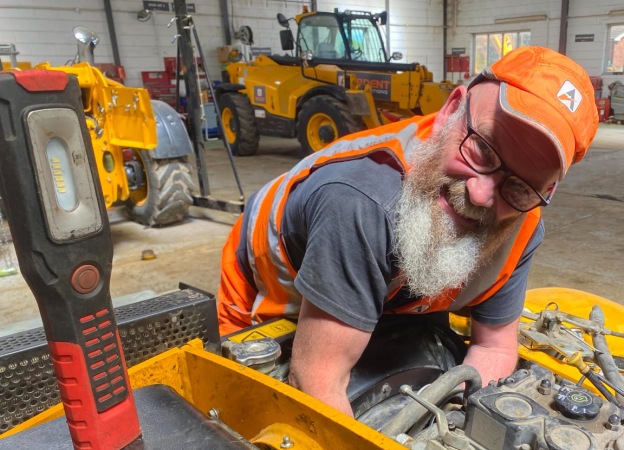
- Before leaving site, inspect the rest of the machine. Replace the £5 part that will strand you next week. Note it in the job so no one wonders why you did it.
Step 5: prove it, then brief it
- Warm restart, function test under light load, then under the job's real conditions.
- Communicate with the operator or site manager: what you fixed, what to watch, and one tip that prevents a repeat.
Step 6: capture the learning
- Log fault, fix, time, parts and root cause in a way people can search.
- Review top recurring faults weekly. If three machines showed the same issue, you've got a pattern to erase: a routing tweak, a guard, a different hose, a better daily check.
Operator habits that supercharge first-time fix
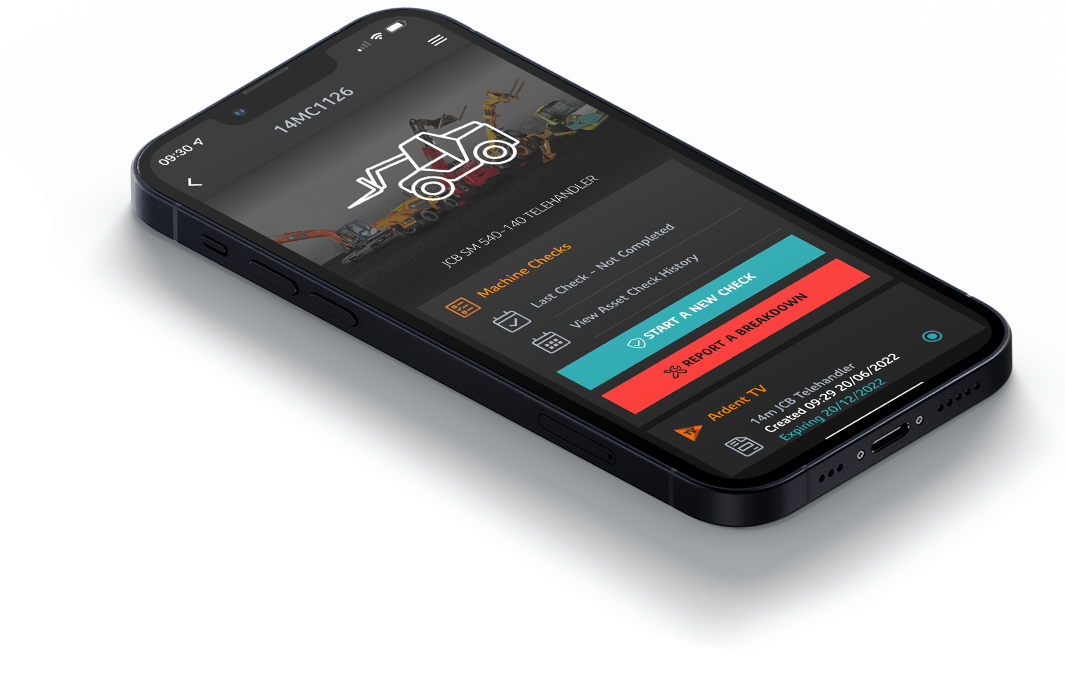
- Daily checks that actually get done: fluids, leaks, tyres, forks/attachments, lights, safety systems
- Regular machine greasing
- Short self-help routines: DPF regens, water-in-fuel drain, basic reset sequences.
- Clean cabs: small messes hide small warnings; tidy cabs surface them.
The takeaway
First-time fix isn't luck. It's a repeatable habit: better triage, smarter arrivals, small preventative steps while you're in the bay, and clear brief-outs. Run the play and downtime shrinks - fast.