Jun 6, 2025
Debunking the myths about AI cameras
 Anuj Patel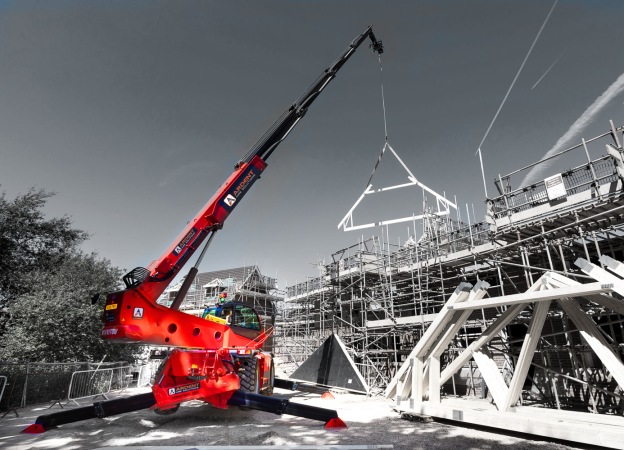
The cheapest way to add capacity isn’t another machine; it’s the right attachment on the one you already have. Forks do a lot of the heavy lifting on site, but the biggest productivity gains often come from thinking beyond the default. This guide gives you a practical framework for choosing attachments that speed cycles, reduce secondary hires and keep people safer.
Write the week’s top five jobs on a board. For each, answer three questions: what are we moving, how far, and how accurately? Add where the operator’s visibility will be worst. That list tells you whether you need precision, reach, bulk handling or people access - and which attachment unlocks it.
When you’re placing loads on congested façades or racking, rotation saves repositions and knocks. It’s a precision tool that pays back in fewer corrections and tighter crane interfaces.
For crane-style picks without calling in extra kit. Ideal for steel, frames and plant moves where the lift path is awkward. Plan the lift in advance; confirm pick points and clear zones to keep it smooth.
When tasks swing between placing and access, a platform avoids a separate MEWP. It’s the fastest way to keep a small team moving as jobs evolve across the day.
Housekeeping doesn’t shout, but it keeps the site flowing. Clearing spoil, sweeping access ways and tidying laydowns with the main machine stops little delays turning into big ones.
For long or awkward loads. Control the pick, protect the load, and give the banksman a predictable, steady approach.
An attachment 200 metres away is a delay. Stage the next tool at the workface. Pair it with a short crib sheet so the operator can swap confidently.
If the morning is bulk moves and the afternoon is precise placement, plan the swap. Agree a hand-off time with the team so the machine isn’t stuck with the wrong tool for two hours.
Mirrors and cameras reduce guesswork around forks, jibs and platforms. Clean lenses and a quick adjustment at the start of shift make a visible difference.
The right attachment, used within its chart, makes work faster because operators can settle into a rhythm. Do the simple checks every time: rated capacity at radius, secure pins, correct quick-hitch engagement, clear communication between operator and banksman.
Attachments are the multiplier. With a simple plan and the right tools at hand, one machine can cover more work, more safely, with fewer delays. That’s how you lift more with less - no extra hires, just smarter choices.
Latest Ardent Hire news
Anuj Patel
Anuj Patel
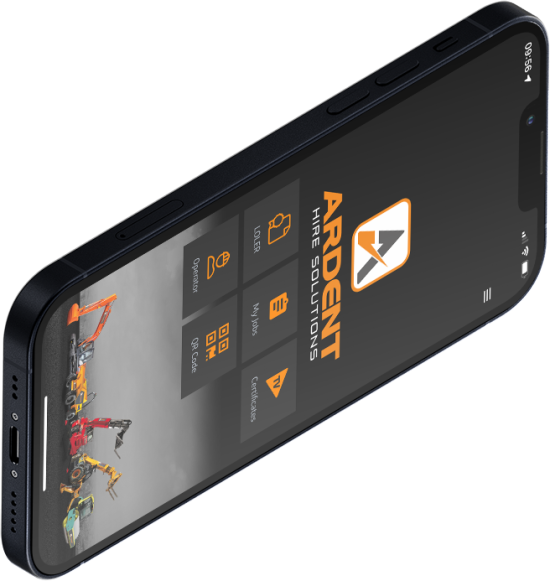
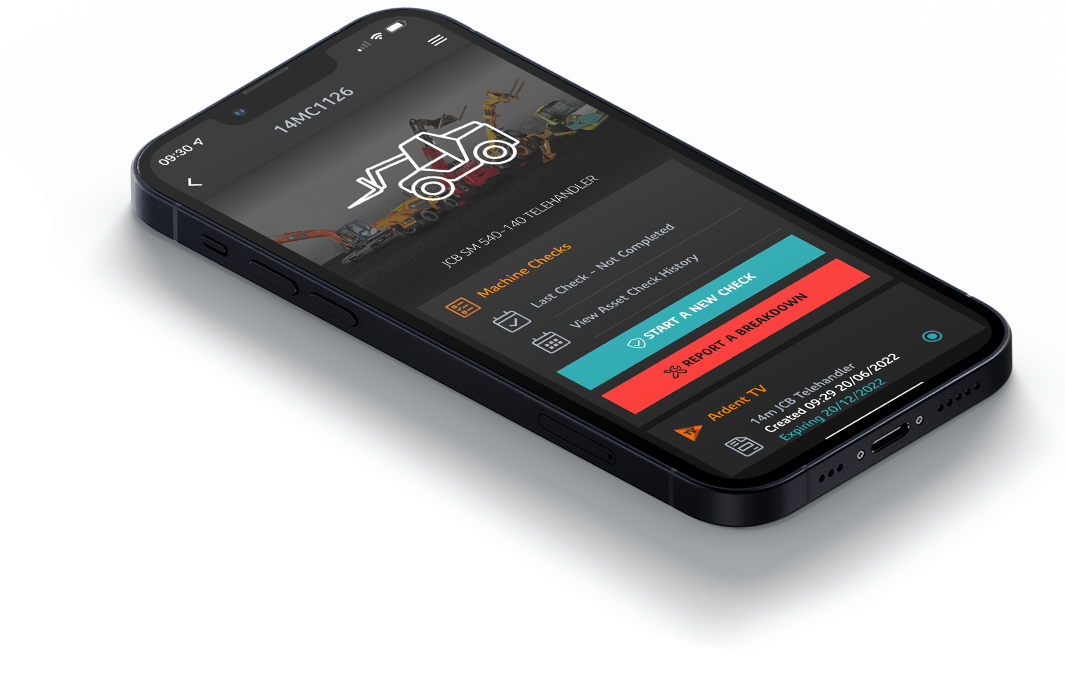
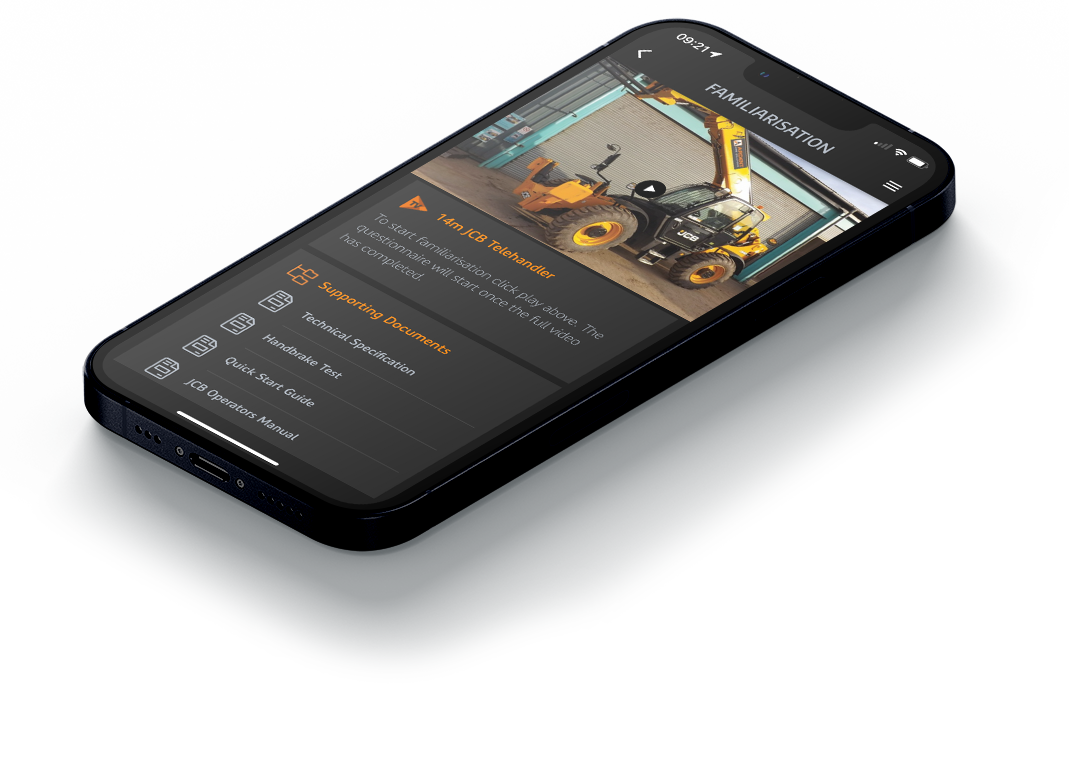
Anuj Patel Complete daily checks, access your LOLER
certificates, report breakdowns/defects, track your
deliveries & collections plus much more.

Get a link to download the app