A year ago we made a clear choice: do fewer things, do them better, and prove the difference every day on site. That decision reshaped our product range, our operations and the way customers experience hire. Here's what changed - especially from a fleet perspective - why we did it, and what's next.
Why we refocused the fleet
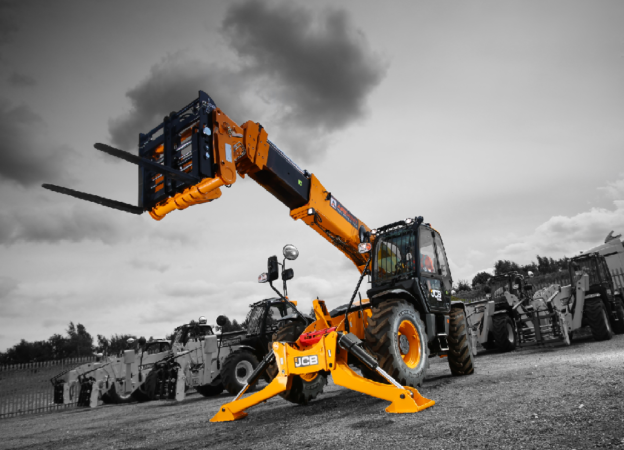
Historically, we offered a wide range of construction equipment. Choice looked good on paper, but the returns told a different story. Earthmoving had been under pressure for a long time: higher purchase prices, shorter hire durations and deteriorating weekly rates steadily pushed margins down while operational intensity stayed high. Following excellent trading through the pandemic, we paused, looked hard at the numbers and the realities on site, and took a strategic decision: concentrate on assets where returns are stronger and operational intensity is lower. In practice, that meant pivoting towards materials handling - telehandlers and rotating telehandlers - and stepping back from categories that no longer served customers or the business well.
What "range change" meant in real life
It wasn't just swapping catalogues. We redesigned the fleet for depth, not breadth.
- Fewer models, deeper coverage
Instead of thinly spread variants across many categories, we built a focused spine: core lift capacities, proven reach bands, and the attachments customers actually use. That gave sites the right tool more often, with less "make do."
- Higher spec where it pays back
We invested in features that reduce risk and speed work - strong visibility packages, latest Stage V models, industry first technology and innovations, and attachment sets that match how jobs really flow.
- Parts and service commonality
Standardising on fewer platforms simplified spares, tooling and training. That shortened repair cycles, improved first-time fixes and kept more machines on-hire instead of waiting in the yard.
- Operator confidence by design
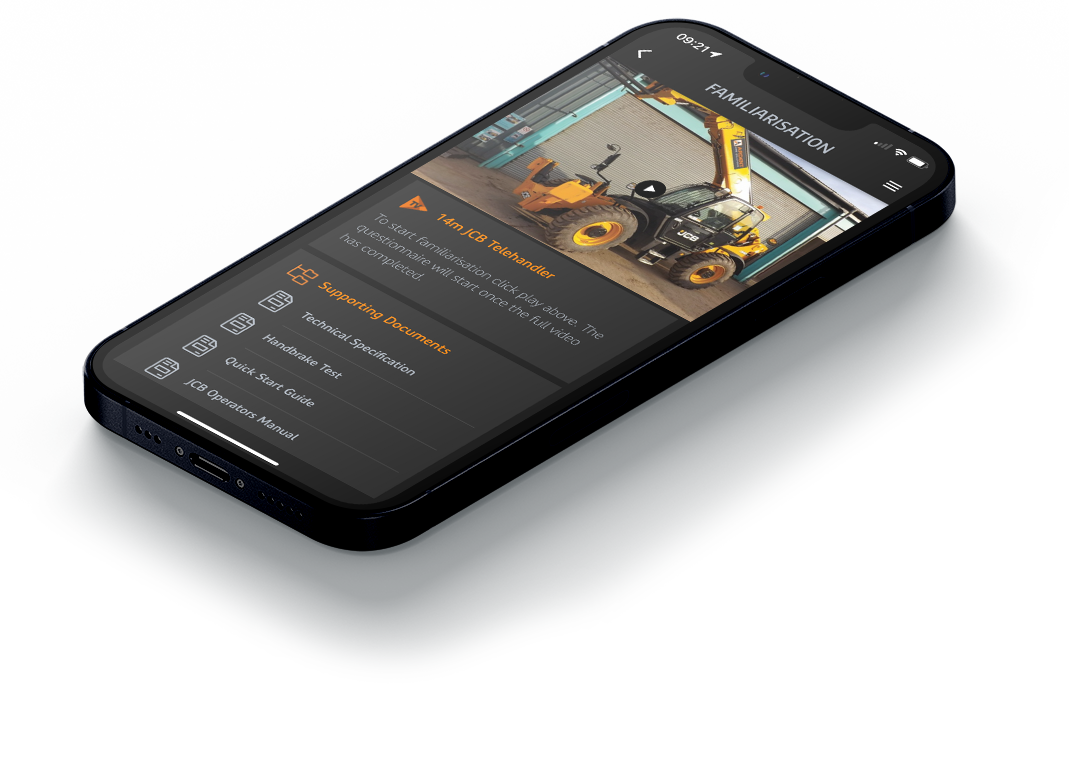
When controls, layouts and behaviours are familiar across the fleet, operators ramp faster, make fewer errors and hit productive rhythm sooner. Familiarity is productivity.
- Attachments strategy, not afterthought
With a materials-handling core, attachments became a first-order decision. Rotating fork carriages, jibs, platforms, hooks, sweepers - planned and staged - turned one base machine into three solutions across the day.
How this looked for customers:
- Better availability of the kit that actually moves programmes.
- Tighter specification to the task, so fewer repositions and fewer workarounds.
- Faster turnarounds on maintenance because common platforms mean quicker diagnostics and parts on hand.
- Cleaner handovers and more predictable first days on site, because we're not juggling a sprawling, inconsistent catalogue.
Ardent 2.0 = range change + digitisation + service
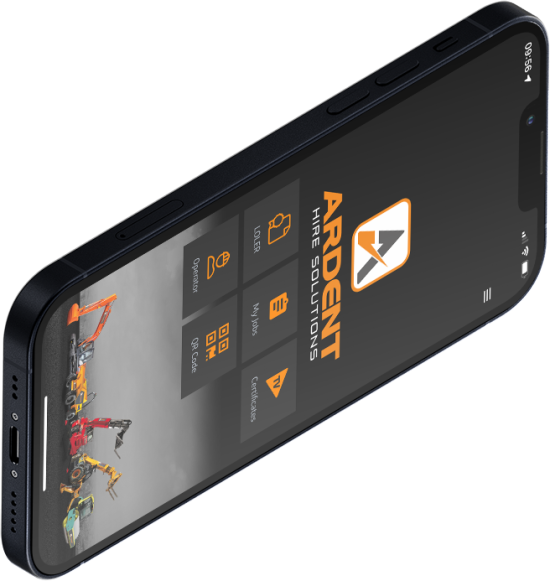
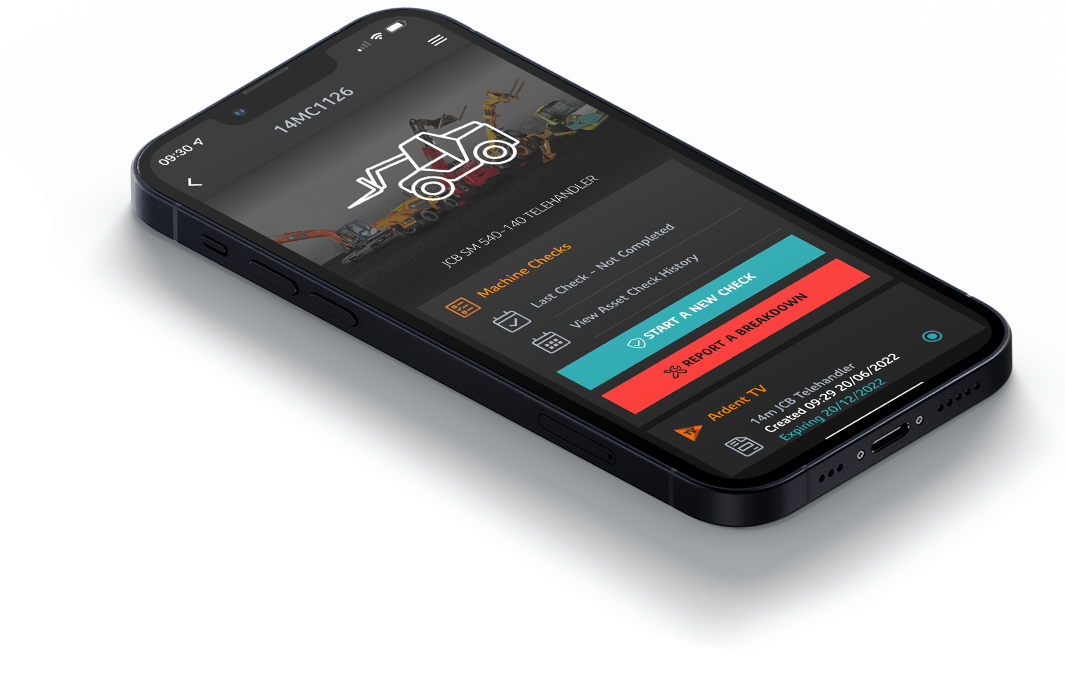
We didn't stop at the iron. In parallel, we kept developing customer-focused digitisation and sharpening our service playbook. The result was a re-engineered business we call Ardent 2.0: a tight fleet in materials handling, wrapped in simple digital workflows and backed by a logistics and service rhythm that feels calm instead of chaotic.
What the digital layer adds to a focused fleet
- Clear utilisation and idle trends so you can off-hire early or redeploy with confidence.
- Near-miss and proximity signals that translate into quick layout tweaks and better habits.
- Straightforward fuel visibility, so refuelling works and waste gets challenged.
- Clean delivery and collection records-photos, short video, condition notes-that settle questions fast.
What we learned along the way:
- Focus beats variety. A smaller, sharper fleet outperforms a bigger, blurrier one.
- Consistency compounds. Common platforms improve training, uptime and confidence.
- Design beats discipline. Safer, more productive outcomes come from better layouts, better attachments and clearer prompts - not bigger rulebooks.
- Proof builds trust. When photos, clips and simple metrics back up decisions, tough conversations get easier.
What's next for the fleet
- Depth where it matters most
We'll continue to deepen coverage in high-demand lift bands and refine specs that pay back on safety and productivity. We have already placed close to £75m worth of orders with JCB & Manitou to grow our material handling fleet and maintain the largest and youngest fleets in the UK. A further £6m capex allocation has been set to grow our smart fuel management offering.
- Smarter attachments by default
More staged attachment packages and clearer weekly planning so a single machine covers multiple jobs without delay.
- Cleaner, quieter operations
Continued readiness for cleaner-burning fuels and local air-quality benefits, paired with honest, lifecycle-based reporting for carbon. Practical wins first; credible accounting always.
- Operator-first choices
We'll keep choosing features that reduce fatigue and error: clearer sightlines, intuitive controls and cab details that make long shifts easier.
- Simpler reporting, better decisions
Faster snapshots aligned to the handful of KPIs that change behaviour: productive utilisation, idle, proximity trends, fuel by productive hour, and uptime.
The promise for year two
Make the good day the default. Keep narrowing the gap between "we planned it" and "we did it." Stay disciplined about the fleet, relentless about the small operational wins, and honest about the numbers. Ardent 2.0 started with a range change; it works because the whole experience - from the first phone call to the last lift - now points in the same direction.